lead-generation
15 min read
Essential Social Media Strategies Local Businesses Need to Attract More Customers in Their Area
Local businesses that implement hyper-local hashtags, geotagging, and community content see measurable increases in profile visibility and organic...

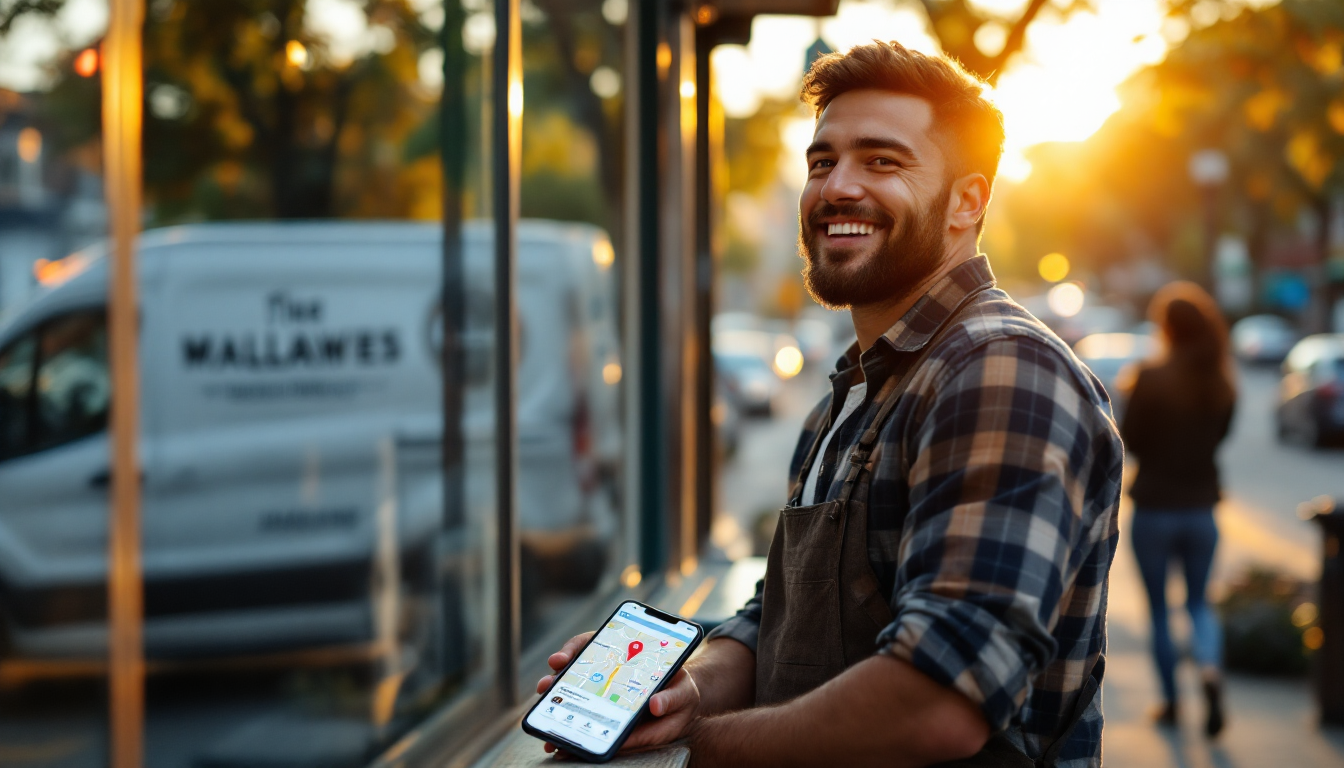
You spent twenty minutes filming a reel of your storefront, wrote a decent caption, posted it at noon on a Tuesday, and got four likes. Two of them were from your cousin. You've been posting for six months and you still can't tell if social media is doing anything for your business at all. Sound familiar?
Here's the reality: most local businesses aren't failing at social media because they're not trying hard enough. They're failing because they're using strategies built for national brands with massive audiences and infinite ad budgets. You don't need more content. You need the right content reaching the right people, which means the ones who can actually walk through your door or call your number this week.
The good news is that local businesses have a natural advantage most national chains can't buy: genuine community connection. Your regulars know you by name. Your neighbors have driven past your sign a hundred times. Social media, done right, turns that proximity into profit. Done wrong, it just burns your time.
These strategies are built specifically for local businesses. No fluff, no abstract marketing theory. Just practical moves that put your business in front of people in your area who are ready to buy.
Why Aren't Your Posts Reaching Local Customers?
Most local business posts don't reach nearby buyers because they're not optimized for location-based discovery. Without location signals, social platforms have no reason to show your content to people in your zip code over someone three states away. Fixing this is one of the fastest free wins available to any local business owner.
Geotagging and hyper-local hashtags are the two tools that solve this problem immediately. Every time you post on Instagram or Facebook, you have the option to tag a specific location. Use it. Tag your city, your neighborhood, even your specific block if it's a recognizable area. Platforms use this data to surface your content to users browsing nearby or searching that location.
Location-specific hashtags connect your posts to community feeds without any paid spend. Tags like #AustinEats, #WestLoopChicago, or #ScottsdaleSmallBusiness put your content directly in front of people actively browsing those feeds. Generic hashtags like #smallbusiness or #local dump your post into an ocean of millions. Specific ones put you in a manageable stream where local discovery actually happens.
Two things you can do today:
- Geotag every post going forward: Go back and add location tags to your last five posts if the platforms allow edits. Make it a non-negotiable step in your posting process.
- Build a list of 8-10 hyper-local hashtags: Search your city name, your neighborhood name, and your service category combined (like #DenverPlumber or #NapervilleRestaurant). Save that list somewhere you can paste it quickly on every post.
These two changes cost nothing and take under five minutes per post. They're also foundational to everything else in this article, so start here.
What Kind of Content Actually Builds Local Loyalty?
Community-focused content consistently outperforms purely promotional posts for local businesses. Your audience doesn't follow you for a stream of sales pitches. They follow you because they feel a connection to your business, your people, and the neighborhood you share. Feed that, and loyalty follows.
The businesses that do local social media well share one thing: they post about more than their products. They post about the Little League team they sponsor. They introduce the employee who's been with them for eight years. They share the local charity drive they're participating in. They congratulate the business next door on their anniversary. That stuff works because it signals that your business is woven into the community, not just extracting money from it.
Real customer stories build trust faster than any promotional graphic ever will. A photo of a happy customer holding the project you just completed for them, with a genuine two-sentence caption about the job, will generate more engagement and more inquiries than a polished promotional post nearly every time. People want to see that other real humans hired you and were satisfied.
Practical ways to bring this to life:
- Tag local events, causes, and partners: When you sponsor something or attend a local event, post about it and tag the organizers. They'll often share your post to their audience, extending your reach at zero cost.
- Introduce your team: A simple "Meet [Name], who's been with us since 2019" post with a candid photo consistently drives strong engagement from local followers.
- Celebrate your customers: With permission, feature a customer's result or story once a week. Keep it genuine and specific.
Does Video Actually Help a Small Local Business?
Short video content gives local businesses more organic reach per post than any other format available right now. Facebook and Instagram actively push video in their algorithms, meaning a 30-second clip of your team at work can reach significantly more people than a static photo with the same caption. And the best part is that you don't need a production crew.
Authenticity matters more than production value for local audiences. A slightly shaky walkthrough of your shop, a quick time-lapse of a project from start to finish, or a 20-second clip of your team joking around while they work will almost always outperform a polished, scripted promotional video. Local customers respond to real people doing real work. It signals trust in a way that studio-quality content can't.
Platforms like Instagram Reels and Facebook Reels actively surface local video content to non-followers, which means video is one of the few organic tools that can genuinely grow your local audience without paid advertising. A single good video can reach people who have never heard of your business but live three streets away.
One quick win you can do today: film a 30-second "day in the life" clip on your phone. Show the process. Show the people. Don't script it. Post it with your geotag and your local hashtags. Watch how it performs compared to your last static post. Most local business owners are genuinely surprised by the difference.
Keep video simple. One new short video per week, filmed on your phone, is a sustainable habit that compounds over time. You don't need more than that to see a real difference in reach.
How Should Local Businesses Run Paid Social Ads?
Geo-targeted paid ads on Facebook and Instagram allow local businesses to show ads exclusively to users within a defined radius of their location. This is the single biggest advantage local businesses have in paid social: you can ensure every dollar targets someone who can physically visit you, order from you, or call you this week. Broad targeting wastes budget on people who will never become customers.
The mechanics are straightforward. When setting up a Facebook or Instagram ad, you define a geographic radius around your address. For most local service businesses, a five to fifteen mile radius covers your realistic customer base. You're not paying to reach someone two states away who clicked your ad out of curiosity. Every impression goes to a real potential customer.
Pair location targeting with a direct, action-oriented call to action for measurable results. "Visit Us Today," "Call Now for Same-Day Service," and "Order for Pickup" give local audiences a clear next step and give you a clear way to measure whether the ad is working. Vague brand awareness ads rarely justify the spend for local businesses. Every ad should have a specific action attached to it.
A few things to get right before you spend anything:
- Nail your radius: Too small and you limit your pool unnecessarily. Too broad and you're paying for irrelevant impressions. Test a radius that matches where your actual customers come from.
- Test one variable at a time: Run two versions of the same ad with different images or different headline text. Don't change everything at once or you won't know what worked.
- Track in-store conversions: Ask new customers how they heard about you. It's low-tech but it works.
If you want support building a local ad strategy that doesn't burn budget, our AI marketing services include geo-targeted campaign setup built specifically for local service businesses.
How Do You Turn Customers Into Content Creators?
User-generated content is the most trusted form of social proof available to a local business, and it costs nothing to collect. When a real customer posts a photo of your food, your work, or your space, that post carries more credibility with their followers than anything your own account could publish. It's a testimonial, a recommendation, and free advertising rolled into one.
The mechanism is simple: create a branded local hashtag and encourage customers to use it. Put it on your receipts, your signage, your packaging, and in your email follow-ups. When customers post using it, repost their content to your own account (with credit). Over time you build a library of authentic customer stories that new buyers trust far more than polished brand content.
User-generated content also expands your organic reach automatically. When a customer tags your business in a post, their followers, many of whom are likely local, see your business without you spending a dollar. It's word-of-mouth marketing with a digital footprint.
This strategy connects directly to reputation management. The same customer satisfaction that drives a five-star Google review can also generate a social post. Both work together to build your credibility online. If you're not yet actively managing your online reputation alongside your social presence, our reputation management tools automate the review request process so nothing slips through the cracks.
Quick action: Send a direct message this week to your three most engaged Instagram followers who are customers. Thank them genuinely and ask if they'd be willing to share a photo next time they visit. Most people say yes when asked directly.
Does Branding Consistency Actually Matter on Social?
Inconsistent branding across social platforms signals instability to potential customers and actively reduces trust. When someone sees your Facebook page for the first time and your logo, colors, and tone don't match what they find on your Instagram or your Google Business Profile, that disconnect creates doubt. For a local business where trust is everything, doubt is expensive.
Consistency doesn't mean boring or rigid. It means your visual identity, your tone of voice, and your posting frequency are predictable enough that a customer who finds you on any platform immediately recognizes it as the same business. That recognition builds familiarity, and familiarity builds trust.
Posting frequency matters as much as visual consistency. A business that posts every day for two weeks and then goes silent for a month looks like it might be closed. For service businesses especially, an inactive or erratic social profile raises questions about whether you're still operating. Consistent, moderate activity, even three posts per week, beats sporadic bursts every time.
A few practical consistency checks:
- Same profile photo across all platforms: Use the same logo or headshot on Facebook, Instagram, and Google Business Profile. This seems small but it matters for recognition.
- Unified bio language: Your description of what you do should be consistent everywhere a customer might find you.
- Set a posting schedule and hold it: Three times per week is enough. Pick the days, put them in your calendar, and treat them like appointments.
Your local SEO presence and your social presence reinforce each other when they're consistent. Keeping your name, address, phone number, and branding aligned across every platform also strengthens your search rankings, which means more people find you in the first place.
How Do You Put This Together Into a Weekly System?
A simple weekly social media system prevents inconsistency and saves hours of decision fatigue for busy business owners. Most local businesses don't fail at social media because they don't care. They fail because they have no system, so posting gets deprioritized when the week gets busy, which is always.
Here's a basic weekly structure that works:
- Monday: Community or trust post: Share a customer story, a local event you're supporting, or a behind-the-scenes look at your team. Geotag it. Add your local hashtags.
- Wednesday: Video or process post: Film a 30-second clip on your phone showing your work, your product, or your space. Keep it real. Post as a Reel or short video.
- Friday: Offer or call to action post: Promote a specific service, a limited offer, or a reason to visit this weekend. Include a clear next step (call, visit, order).
Batch content when you can. Spend one hour on Sunday or Monday setting up your three posts for the week. Use a free scheduling tool to queue them in advance so they post automatically even when you're slammed. This removes the willpower requirement from daily posting and turns it into a weekly habit you can actually keep.
If you want to go further, a smart website paired with your social strategy means the traffic you're generating from social media actually converts into leads instead of bouncing. Social gets people interested. Your website closes the deal.
Why Choose Get Amplified Marketing?
Get Amplified Marketing builds AI-powered marketing systems designed specifically for local businesses. Not national chains, not e-commerce brands. Local service businesses that need real customers in their area, not vanity metrics.
Our approach combines consistent social visibility with the full local marketing picture: search rankings, Google Maps presence, AI search visibility, automated reputation management, and websites that actually convert visitors into calls and bookings. Most agencies hand you a strategy and leave you to figure out the execution. We build systems that run for you, including AI voice and chat agents that capture leads around the clock so you never miss an inquiry when you're busy doing the actual work.
If you're a local business owner who's tired of guessing whether your marketing is working, we give you a clear answer. Our visibility audit shows exactly where you stand in search, maps, and AI results, and where your competitors are showing up instead of you. From there, we build a plan that's specific to your market, your industry, and your goals.
Call us at (888) 610-2425 or email info@getamplifiedmkg.com to get started.
The Bottom Line
Here's what matters: Local businesses don't need more social media activity. They need focused activity built around location signals, community content, consistent branding, and content that earns trust with the people who can actually become customers. Geotag every post, show your real people doing real work, and build a simple weekly system you can actually maintain. Those three habits alone will outperform most local competitors who are still posting without a strategy.
Ready to get found? Get your free visibility audit and see exactly where your business stands in search, maps, and AI. Or book a strategy call to talk through your goals.
Frequently Asked Questions
How often should a local business post on social media?
Three times per week is the sweet spot for most local businesses. It's frequent enough to signal an active, healthy business to both algorithms and potential customers, and sustainable enough that you can actually maintain it without burning out. Consistency beats frequency. A business that posts three times per week every week will outperform one that posts daily for two weeks and then disappears.
Which social media platform is best for local businesses?
Facebook and Instagram are the two highest-ROI platforms for most local service businesses. Facebook skews toward older demographics and works well for community content and local groups. Instagram is stronger for visual services (restaurants, salons, contractors showing project results) and Reels for organic reach. Google Business Profile technically functions as a social platform too, and most local businesses underuse it completely. Start with the platform where your actual customers spend time, not the one that seems trendiest.
What's the difference between geotagging and location-based hashtags?
Geotagging attaches a specific location to your post at the platform level, telling the algorithm where the content is from. Location-based hashtags are searchable tags that connect your post to a browsable feed. They do different things and work best together. Geotagging helps the platform serve your content to nearby users. Location hashtags help people actively browsing your city or neighborhood find your post. Use both on every post.
How do I get customers to post about my business?
Ask directly and make it easy. Create a short, memorable branded hashtag and put it where customers will see it: receipts, table cards, signage, your email follow-ups after a service. When a customer has a great experience, tell them you'd love to see them share it. Most people are happy to post if someone asks. Then when they do, repost it, tag them, and thank them publicly. That recognition encourages others to do the same.
Do I need to run paid ads or can organic social work on its own?
Organic social can absolutely drive real local results, especially with geotagging, local hashtags, video content, and community posts working together. For most local businesses, a strong organic presence should come first since it builds the credibility that makes paid ads more effective. When you're ready to add paid ads, geo-targeted Facebook and Instagram campaigns extend your reach to people who haven't found you organically yet. The two strategies reinforce each other rather than one replacing the other.
Related
More on lead-generation.
Ready to grow your business?
See where you're losing leads, or book a free strategy call with our team.
Free · 2 minutes · No email required